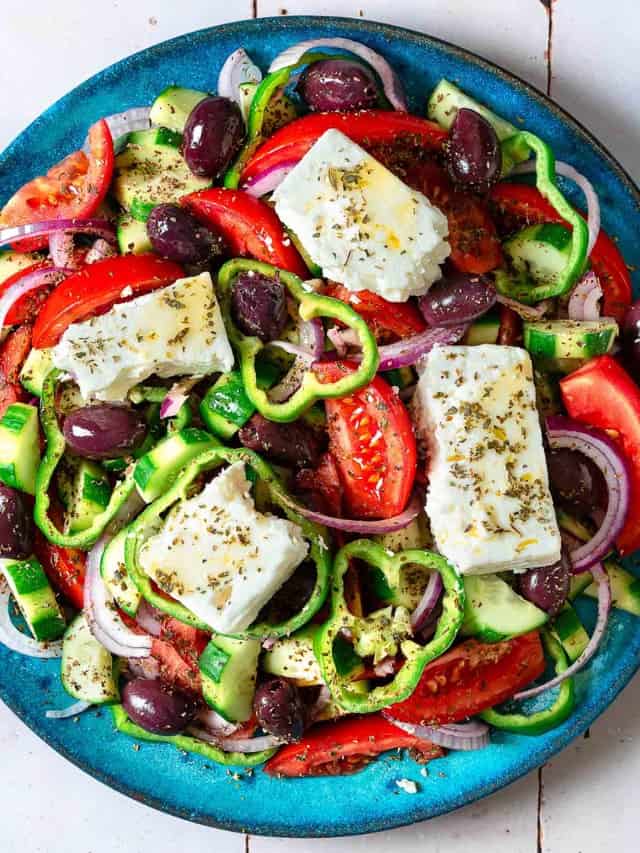
Unlocking Horiatiki: The Essential Ingredients for a Perfect Greek Salad
The Greek salad, known in its homeland as "Horiatiki Salata" or "Village Salad," is far more than just a collection of chopped vegetables. It’s a culinary masterpiece celebrated for its rustic simplicity, vibrant colors, and unparalleled freshness. At the heart of a truly exceptional Horiatiki lies an unwavering commitment to quality and thoughtful preparation of its core
Greek salad ingredients. Forget the soggy, bland imitations you might have encountered; a perfect Greek salad is a symphony of textures and flavors, each component playing a crucial role in creating that unmistakably Mediterranean taste.
This article delves deep into the non-negotiable elements that transform a good Greek salad into a truly great one. We’ll explore not just *what* to include, but *why* specific choices and preparation techniques are paramount, ensuring every forkful is a testament to its authentic heritage.
The Foundation: Crisp Vegetables for a Vibrant Horiatiki
The soul of any village salad begins with its fresh produce. The key is to select ingredients at their peak and prepare them in a way that maximizes their individual contributions without compromising the dish's overall integrity.
*
Sun-Ripened Tomatoes: The Sweet Star
Tomatoes are arguably the most important vegetable in a Greek salad. Their natural sweetness provides a vital balance to the briny and savory elements. While large, juicy slicing tomatoes can be tempting, they often release an abundance of water, leading to a watery bowl just minutes after assembly. For an authentic and vibrant Horiatiki that stays fresh for hours, the secret lies in opting for
cherry tomatoes. Halved, these diminutive wonders release significantly less liquid, preserving the salad's crispness and intensity of flavor. When tomatoes are at their peak ripeness during summer, this simple swap alone can elevate your salad from good to extraordinary. The burst of flavor and texture from a cherry tomato simply can't be replicated.
*
Crisp Cucumbers: The Hydrating Crunch
The refreshing crunch of cucumber is indispensable. For the best results, an
English cucumber is highly recommended due to its fewer, smaller seeds and thinner skin. However, the most critical step in cucumber preparation for a perfect Greek salad is often overlooked: seeding. After slicing the cucumber lengthwise, run a small spoon along the center to scoop out the watery core. This quick, thirty-second task prevents that dreaded watery puddle from collecting at the bottom of your bowl, ensuring your salad remains vibrant and crisp. Slice the seeded cucumber into thin half-moons for an ideal texture in every bite, allowing it to mingle beautifully with the other ingredients. This meticulous step is one of the "ingredient secrets to avoid watery bowls" that truly makes a difference. To learn more about this and other crucial techniques, read our detailed guide on
Greek Salad Perfection: Ingredient Secrets to Avoid Watery Bowls.
*
Green Bell Pepper: The Balancing Bitterness
While many variations exist, a classic Horiatiki mandates a
green bell pepper. Cut into one-inch squares, its mild bitterness is not a flaw but a crucial counterpoint. This subtle edge perfectly balances the inherent sweetness of the tomatoes, creating a depth of flavor that red or yellow varieties, with their higher sugar content, simply cannot replicate. It’s one of those subtle details that distinguishes a genuinely traditional and exceptional Greek salad from a merely passable one. The green pepper provides a structural crispness and a unique aromatic quality that is quintessential to the dish.
Aromatic Accents: Onions, Olives, and the Freshness of Mint
Beyond the core vegetables, several potent ingredients contribute layers of flavor and aroma that define the Greek salad experience.
*
Red Onion: The Pungent Punch (Tamed)
A classic Greek salad is incomplete without thinly sliced
red onion. Its sharpness adds a vibrant, pungent kick that cuts through the richness of the other ingredients. If the raw intensity of red onion is too strong for your palate, there's a simple trick: soak the thinly sliced rings in cold water for about ten minutes before adding them to the salad. This technique beautifully mellows its bite without stripping away its characteristic flavor, allowing it to blend more harmoniously while still providing its essential aromatic contribution.
*
Kalamata Olives: The Briny Heartbeat
When it comes to olives, there is no substitute for whole, pitted
Kalamata olives. Their distinctive salty, briny, almost wine-like flavor is one of the most defining notes of a proper Greek salad. Do not be tempted by cheap, canned black olives; they lack the depth, texture, and authentic flavor profile that Kalamatas bring. Leaving them whole allows their rich flavor to infuse the salad gradually and provides a satisfying burst of briny goodness with every bite. The quality of your Kalamata olives can make or break the authentic Greek taste.
*
Fresh Mint Leaves: The Unexpected Lift
Often absent from less authentic versions, a generous scattering of
fresh mint leaves is the small detail that elevates a Greek salad from merely good to genuinely memorable. The cool, refreshing aroma and taste of mint play perfectly against the salty feta and briny olives, adding an unexpected layer of brightness and complexity. This herb introduces a delightful aromatic counterpoint, proving that sometimes, the smallest additions yield the biggest impact. Do not leave it out; it’s a game-changer. For more insights on how seemingly minor additions can significantly enhance your Horiatiki, explore our article on
Beyond Basics: Key Ingredients That Elevate Your Greek Salad Flavor.
The Heart and Soul: Creamy Feta and Golden Olive Oil
These two ingredients aren't just additions; they are the very essence that binds the Horiatiki together, providing richness, saltiness, and that incomparable Mediterranean character.
*
Feta Cheese: The Creamy Cornerstone
True feta cheese, with its creamy texture, salty tang, and slight crumbly nature, is the undisputed king of Greek salad ingredients. The cardinal rule for feta is simple:
always buy a block of authentic Greek feta and cube it yourself. Pre-crumbled feta is notoriously drier, loses its creamy consistency, and often lacks the nuanced, tangy flavor that makes every forkful interesting. Cutting your own half-inch cubes (around five ounces is perfect for four servings) ensures a superior texture and a more authentic taste experience. Some even prefer to leave one larger slab of feta on top of the finished salad, creating a beautiful visual focal point that promises rich, creamy indulgence. The difference between fresh-cut block feta and pre-crumbled is monumental.
*
Extra Virgin Olive Oil: The Liquid Gold
The dressing for a classic Horiatiki is remarkably simple, often just a generous drizzle of high-quality
extra virgin olive oil. This isn't just a condiment; it's a fundamental ingredient that permeates the salad, binding the flavors and adding a healthy, rich smoothness. Opt for a robust, fruity extra virgin olive oil – ideally Greek – as its quality will profoundly influence the overall taste of your salad. The oil should coat the vegetables and feta, imparting its distinctive peppery notes and luxurious mouthfeel. In many traditional preparations, a splash of red wine vinegar might be added, but often, the purity of just olive oil and oregano is preferred, allowing the quality of the produce to shine.
The Final Flourishes: Oregano and Dressing Wisdom
No Greek salad is truly complete without its signature seasoning.
*
Dried Greek Mountain Oregano: The Earthy Aroma
A sprinkle of
dried Greek mountain oregano is the final, essential touch. Its earthy, slightly peppery, and intensely aromatic notes evoke the very landscape of Greece. This herb isn't just for decoration; it infuses the salad with a warmth and depth that complements the fresh vegetables and rich feta. Use it liberally, allowing its fragrance to mingle with the other elements.
*
Dressing (or lack thereof): Simplicity is Key
Traditional Horiatiki is often called a "no-mix" salad. The beauty lies in the quality of the individual components, brought together by the olive oil and oregano. There's typically no elaborate whisked dressing; the oil, seasoning, and natural juices from the vegetables create a light, flavorful coating. This simplicity allows each of the pristine
greek salad ingredients to speak for themselves, creating a harmonious and balanced experience.
In conclusion, achieving the perfect Horiatiki is an exercise in reverence for fresh, quality
greek salad ingredients and thoughtful preparation. From seeding your cucumbers to choosing block feta and embracing fresh mint, each detail contributes to a salad that is far more than the sum of its parts. It’s a refreshing, vibrant, and utterly delicious testament to the power of simple, authentic flavors. Embrace these essential tips, and you'll unlock the true magic of a perfect Greek Village Salad, bringing a piece of the Mediterranean right to your table.