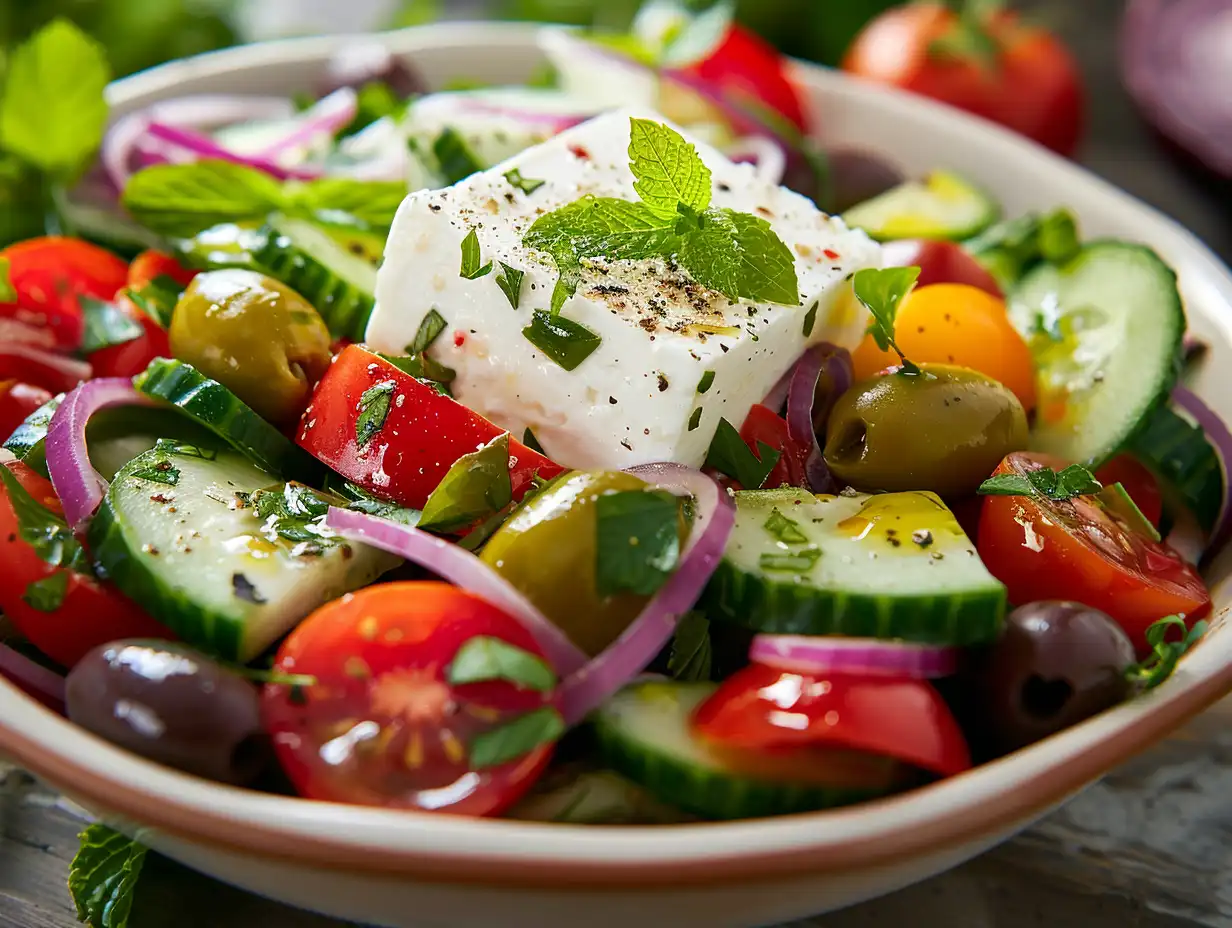
Greek Salad Perfection: Ingredient Secrets to Avoid Watery Bowls
The classic Greek salad, or Horiatiki Salata as it’s known in its homeland, is a testament to the power of simplicity. It’s a vibrant tapestry of fresh, sun-kissed vegetables, briny olives, and creamy feta, all brought together with a generous drizzle of olive oil and a sprinkle of oregano. Yet, many home cooks face a common frustration: a watery bowl that dilutes the very essence of this Mediterranean masterpiece. The secret to achieving true Greek salad perfection lies not just in selecting the right essential Greek salad ingredients, but in understanding their quality and, crucially, their preparation.
Most recipes focus on listing ingredients, but the true artistry is in slowing down and appreciating how each component contributes to the final dish. By making conscious choices and employing simple techniques, you can transform your Greek salad from good to genuinely unforgettable, banishing the dreaded watery puddle forever. Let's dive into the core ingredients and unlock the secrets to a truly authentic and delicious Horiatiki.
The Foundation of Flavor: Mastering Your Vegetables
Cucumbers: The Seeded Secret to Crispness
Cucumbers are a cornerstone of any authentic Greek salad, providing a refreshing crunch that balances richer flavors. However, they are also notorious for their high water content. To prevent your salad from becoming a soggy mess, the most crucial step is to always seed your cucumbers. This simple thirty-second task makes a world of difference.
- Preparation: Start with one crisp English cucumber. After washing, slice it lengthwise. Using a small spoon, gently run it along the center of each half to scoop out the watery core and seeds. This quick maneuver eliminates the primary source of excess liquid.
- Cutting: Once seeded, slice the cucumber into thin half-moons. This ensures a consistent texture in every bite and prevents large, clunky pieces that can overwhelm other flavors.
- Pro Tip: Avoid salting your cucumbers directly and letting them sit for too long before adding them to the salad, as salt can draw out even more moisture.
Tomatoes: Cherry-Picking for Juiciness Without the Excess
Juicy, ripe tomatoes are the heart of a Greek salad. But like cucumbers, their liquid content can be problematic. The game-changing swap for many chefs is to opt for cherry tomatoes over larger varieties.
- The Cherry Tomato Advantage: Cherry tomatoes release significantly less liquid when cut, ensuring your salad stays fresh and vibrant for hours, not just minutes. Their concentrated sweetness also bursts with flavor, especially when at peak summer ripeness.
- Preparation: Halve two cups of cherry tomatoes. This simple cut is sufficient for their size and allows their natural sweetness to shine through without excessive juiciness.
- Alternative for Large Tomatoes: If you must use larger, ripe tomatoes (perhaps from your garden), slice them, gently scoop out most of the seeds and internal gel, and consider letting them drain briefly on paper towels before adding them to the salad. However, be prepared for more liquid release regardless.
Green Bell Pepper: The Unsung Hero of Balance
While red and yellow bell peppers are visually appealing, the traditional Horiatiki calls for green. This choice is deliberate and crucial for the salad's authentic flavor profile.
- Classic Horiatiki Touch: Cut one green bell pepper into one-inch squares. The mild bitterness of green pepper acts as a perfect counterpoint to the sweetness of the tomatoes and the richness of the feta.
- Flavor Harmony: Red and yellow bell peppers, while sweeter, don't offer the same balancing bitterness. This subtle detail is often what separates a merely good Greek salad from a truly great one.
Red Onion: Taming the Tang
Red onion adds a pungent, refreshing bite that is indispensable to the Greek salad. Its sharpness provides a welcome contrast to the other fresh ingredients.
- Essential for Depth: Use about one-third of a cup of thinly sliced red onion. Do not skip this ingredient; its robust flavor is a defining note.
- Mellowing the Bite: If the raw sharpness of red onion is too intense for your palate, a simple trick can mellow it beautifully without sacrificing flavor. Soak the sliced onions in a bowl of cold water for ten minutes, then drain thoroughly before adding them to your salad. This significantly reduces their assertive kick.
The Defining Elements: Olives, Feta, and Fresh Herbs
Kalamata Olives: Brine and Depth for Authenticity
When it comes to olives, there's no room for compromise in a classic Greek salad. The choice of Kalamata olives is non-negotiable for their distinctive taste and texture.
- Unmistakably Greek: Use one-third of a cup of pitted Kalamata olives. Leave them whole to preserve their integrity and ensure their salty, briny, almost wine-like flavor bursts forth with every bite.
- Quality Over Convenience: Avoid generic black olives from a tin. Their blandness cannot replicate the complex, rich flavor profile of a proper Kalamata olive. Investing in good quality Kalamata olives is truly worth it for an authentic experience.
Feta Cheese: The Creamy Crown Jewel
Feta is perhaps the most iconic of all key ingredients that elevate your Greek salad flavor, and its quality and preparation significantly impact the dish.
- Block Feta Reigns Supreme: Always buy a block of authentic Feta cheese (ideally made from sheep's or a combination of sheep's and goat's milk). Pre-crumbled feta, while convenient, is often drier, less flavorful, and lacks the creamy, slightly tangy texture that defines quality feta.
- Preparation: Cut your block of feta into half-inch cubes. For four servings, approximately five ounces is ideal. Cubing it yourself ensures a creamy, yielding texture that melts slightly in your mouth. Sometimes, a larger slab of feta can be placed majestically on top of the salad for an impressive presentation and an even more satisfying taste.
Fresh Mint: The Aromatic Whisper of Freshness
Often overlooked, fresh mint is the secret ingredient that elevates a good Greek salad to a genuinely memorable one. It provides a cool, aromatic lift that perfectly complements the salty feta and briny olives.
- A Small Detail, Big Impact: Incorporate about one-third of a cup of fresh mint leaves. The refreshing burst of mint cuts through the richness and adds a unique dimension that dried herbs cannot replicate.
- Don't Skip It: While dried oregano is traditionally sprinkled over the finished salad, fresh mint offers a different, vibrant freshness. Its inclusion is a hallmark of an expertly crafted Horiatiki.
Assembling Your Masterpiece: Beyond the Ingredients
Even with the perfect Greek salad ingredients, how you bring them together and dress the salad plays a vital role in preventing that unwelcome puddle at the bottom of the bowl.
- Extra Virgin Olive Oil & Dried Oregano: These are the essential finishing touches. Use a generous amount of high-quality extra virgin olive oil, which acts as the dressing itself in a traditional Horiatiki. Sprinkle dried Greek mountain oregano over the top for an authentic aromatic touch.
- Timing is Everything: One of the most critical tips for avoiding a watery salad is to dress it just before serving. Adding salt and oil too far in advance will draw moisture out of the vegetables, especially the tomatoes and cucumbers, leading to a watery base.
- Gentle Handling: Toss your salad gently to combine the ingredients without bruising them or forcing out their natural juices prematurely.
- Serving Temperature: A classic Greek salad is best served at room temperature, allowing the flavors of the fresh ingredients to truly sing.
Creating the perfect Greek salad is a culinary journey that celebrates simplicity, quality, and mindful preparation. By focusing on superior greek salad ingredients and employing these practical tips, particularly those aimed at preventing excess moisture, you can consistently achieve a vibrant, flavorful, and delightfully non-watery Horiatiki that transports you straight to the sun-drenched tavernas of Greece. Enjoy every crisp, creamy, and tangy bite!
